
Aluminium Chequered Plate Supplier | Trusted Manufacturer Guide
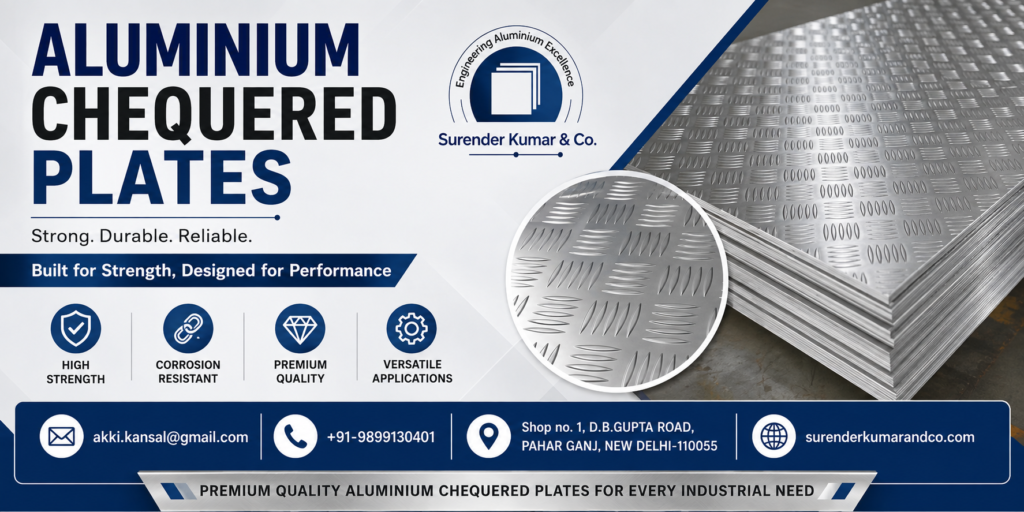
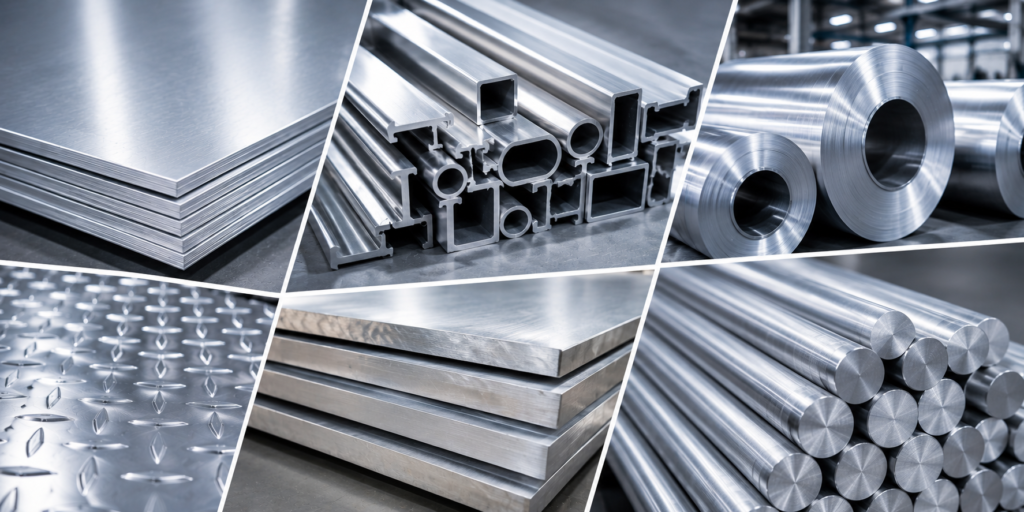
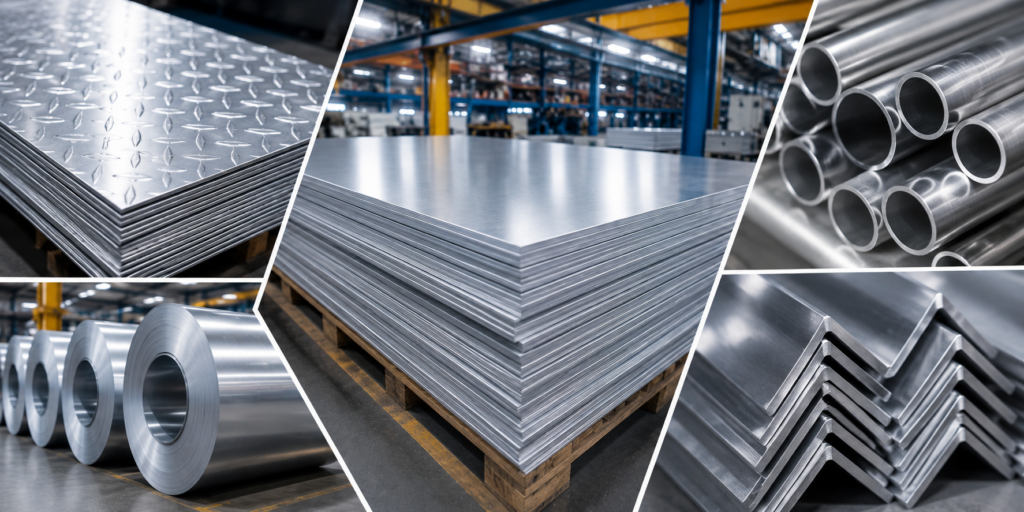
A few months back, a site engineer friend of mine called me in a bit of a panic. He’d ordered flooring plates for a factory walkway from a supplier he found “cheap” online, and the batch arrived with uneven pattern depth, inconsistent thickness, and a finish that started pitting within weeks of installation. His project got delayed, his budget got dented, and his trust in “just Google it” suppliers got shaken forever. That’s the thing about aluminium chequered plates — they look simple on paper. A flat sheet with a raised diamond or pattern for grip. But the difference between a plate that lasts fifteen years on a ship deck and one that corrodes in fifteen months often comes down to one decision: who you buy it from. If you’re searching for a reliable Aluminium Chequered Plate Supplier, this guide will walk you through everything — what these plates actually are, where they’re used, how to judge quality, and the mistakes that cost buyers time and money. Whether you’re an engineer, a contractor, or a first-time buyer, by the end of this, you’ll know exactly what to look for. What Is an Aluminium Chequered Plate, Really? Think of it as a regular aluminium sheet that’s gone through a rolling process where raised patterns — usually diamonds, lines, or a “five-bar” design — are pressed into the surface. These patterns aren’t decorative. They’re functional. They increase grip, reduce slipping on wet or oily surfaces, and add a bit of extra rigidity to the sheet without piling on weight. Because aluminium is naturally lightweight and corrosion-resistant, chequered plates made from it are popular wherever steel would be too heavy or too prone to rusting — think truck flooring, ship decks, staircases, ramps, and industrial walkways. Why Businesses Prefer Aluminium Over Steel Chequered Plates Steel chequered plates are stronger in raw terms, but they’re heavier and need constant maintenance to fight rust. Aluminium plates trade a bit of raw strength for weight savings, corrosion resistance, and lower long-term maintenance — which is exactly why transport, marine, and food-processing industries lean toward aluminium. Steel vs Aluminium Chequered Plate: Quick Comparison Property Aluminium Chequered Plate Steel Chequered Plate Weight About one-third lighter than steel Heavier, needs stronger support structure Corrosion Resistance Naturally resistant, forms protective oxide layer Prone to rust unless galvanized or coated Maintenance Low, occasional cleaning Regular anti-rust treatment needed Cost Higher upfront, lower lifetime cost Lower upfront, higher upkeep cost Best Use Case Marine, transport, food industry, exteriors Heavy industrial flooring, load-bearing areas Note: The right choice depends on your load requirements, environment, and long-term maintenance budget — not just upfront price. Where Aluminium Chequered Plates Are Actually Used It’s easy to assume these plates are just for factory floors, but the applications are surprisingly wide. Here’s where you’ll commonly spot them: What Actually Makes a Supplier “Trusted”? Anyone can put up a website and call themselves a manufacturer. What separates a genuinely reliable Aluminium Chequered Plate Supplier from the rest usually comes down to a handful of things that aren’t always visible at first glance. Key Features That Matter Feature Why It Matters Consistent Thickness Uneven thickness leads to weak spots and premature failure under load Pattern Depth Uniformity Directly affects slip resistance and wear life Alloy Grade Transparency Different grades (like 1100, 3003, 5052) suit different loads and environments Custom Sizing Reduces on-site cutting waste and installation time Testing & Certification Confirms the material meets industrial safety and quality standards How to Choose the Right Supplier: A Step-by-Step Approach Buying chequered plates isn’t like buying off-the-shelf hardware. A little diligence upfront saves a lot of trouble later. Here’s a practical process worth following. Step-by-Step Buying Process Step What to Do 1. Define Your Use Case Identify load, environment (indoor/outdoor/marine), and traffic level 2. Shortlist Suppliers Look for manufacturers with verifiable experience, not just traders 3. Ask for Sample & Specs Request thickness tolerance, alloy grade, and pattern type in writing 4. Compare Pricing Transparently Check if pricing is per kg or per sheet, and what’s included (cutting, delivery) 5. Confirm Delivery Timeline Bulk orders need realistic lead times — avoid suppliers promising unrealistic speed 6. Place a Trial Order For large projects, start with a smaller batch before committing fully Tips & Best Practices for Buyers Common Mistakes Buyers Make (And How to Avoid Them) Do’s and Don’ts Checklist Do’s Don’ts Verify supplier’s manufacturing capability, not just their catalog Don’t choose based on price alone Request material test certificates for bulk orders Don’t skip sample testing before large purchases Clarify packaging and transport damage policies Don’t assume all “aluminium” plates use the same alloy Get everything — specs, price, delivery — in writing Don’t rely on verbal quotes for large projects A five-minute verification step at the start can save weeks of rework down the line. Frequently Asked Questions 1. What is the standard thickness range for aluminium chequered plates? Most industrial applications use thicknesses ranging from around 2mm to 6mm, though this varies based on load and use case. A trusted supplier will help you match thickness to your specific application. 2. Is aluminium chequered plate better than mild steel for outdoor use? For outdoor and marine environments, aluminium generally performs better due to its natural resistance to rust and corrosion, which reduces long-term maintenance costs. 3. Can chequered plates be custom cut to size? Yes, most established manufacturers offer custom cutting services, which helps reduce on-site wastage and speeds up installation. 4. How do I know if a supplier is a genuine manufacturer and not just a trader? Ask about their production facility, request a factory visit or virtual tour if possible, and check if they can provide detailed material specifications and test certificates. 5. What alloy grade is best for chequered plates? Grades like 3003 and 5052 are commonly preferred for their balance of strength, formability, and corrosion resistance, though the right choice depends on your specific application. 6. Do aluminium chequered plates require any special
Aluminium Chequered Plate Supplier | Trusted Manufacturer Guide Read More »