
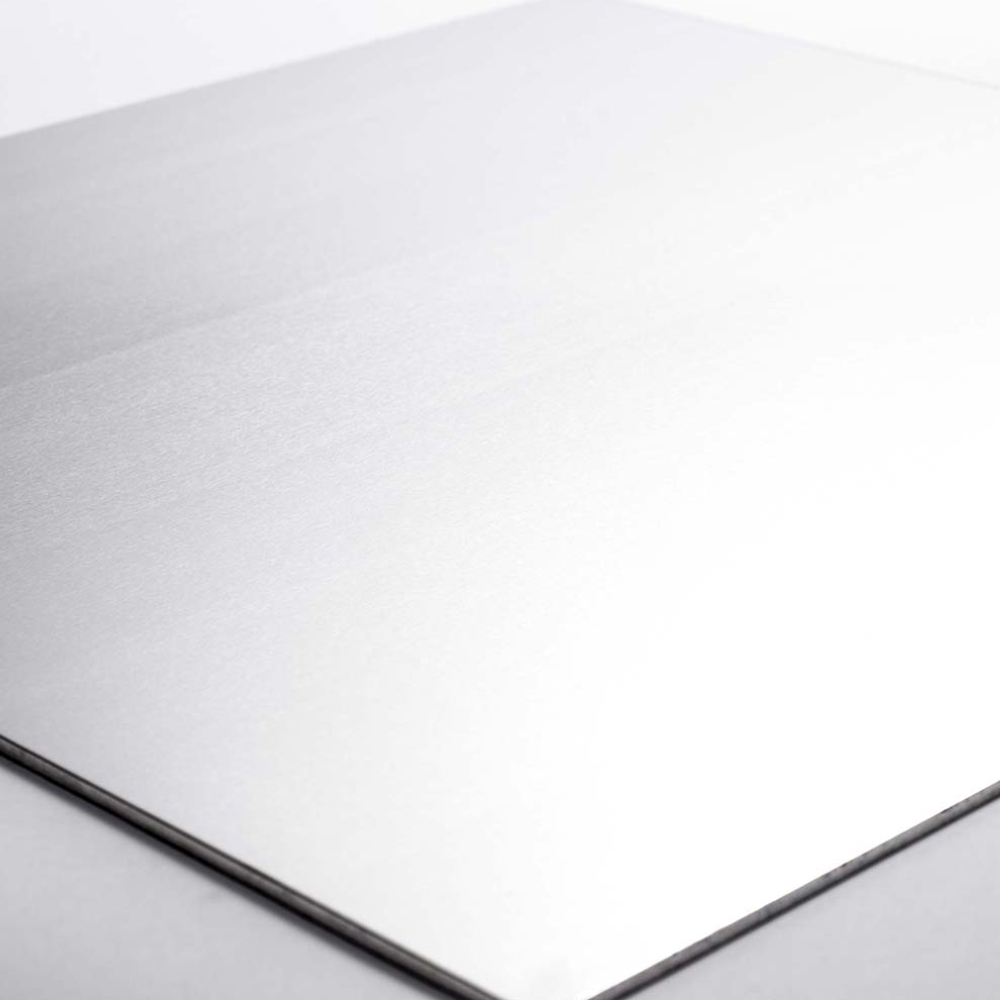
Aluminium Fan Blade Sheet
Aluminium has become one of the most widely used metals in modern manufacturing because of its strength, lightweight nature, and excellent corrosion resistance. Among the many industrial applications of aluminium, one of the most important is in the production of fan blades used in ventilation systems, cooling equipment, and household appliances. Manufacturers rely on specially processed aluminium sheets that provide the right balance of durability, flexibility, and performance. An Aluminium Fan Blade Sheet is specifically designed to meet these requirements and ensure efficient airflow, long service life, and consistent performance in different environments.
Fan blades play a vital role in machines and appliances that require air circulation. Whether used in industrial exhaust fans, air coolers, air conditioners, or ventilation units, the quality of the material directly affects the efficiency of the fan. Aluminium sheets are commonly preferred because they are lightweight yet strong enough to maintain their shape even during continuous rotation. A well-manufactured Aluminium Fan Blade Sheet offers smooth finishing and uniform thickness, which helps manufacturers create balanced and efficient fan blades.
One of the major advantages of aluminium sheets for fan blades is their lightweight structure. Compared to many other metals, aluminium has a much lower density, which reduces the overall weight of the fan. This allows motors to operate more efficiently, using less energy while delivering the same airflow performance. Lightweight fan blades also place less stress on motors and bearings, helping extend the life of the equipment.
Another important feature of aluminium sheets is their resistance to corrosion. Fan blades are often exposed to humidity, dust, chemicals, and changing temperatures. In such conditions, materials that rust or degrade quickly can cause maintenance issues and reduce equipment lifespan. Aluminium naturally forms a protective oxide layer that prevents rust and corrosion. This property makes aluminium sheets suitable for both indoor and outdoor ventilation systems.
Durability is another factor that makes aluminium an ideal material for fan blades. The sheets used for manufacturing fan blades are designed to withstand continuous movement and vibration without losing their structural integrity. A high-quality Aluminium Fan Blade Sheet maintains its strength even after repeated bending, shaping, and long periods of rotation. This ensures that the fan blades remain stable and balanced during operation.
Surface quality is also essential in fan blade manufacturing. Aluminium sheets are known for their smooth surface finish, which helps manufacturers create precisely shaped blades. Smooth surfaces also reduce air resistance, allowing better airflow and quieter operation. In ventilation systems where noise reduction is important, properly shaped aluminium blades contribute significantly to improved performance.
Aluminium sheets are also easy to fabricate and process. They can be cut, stamped, bent, or pressed into different shapes without difficulty. This flexibility allows manufacturers to produce fan blades in various sizes and designs depending on the requirements of different machines. Whether for small household fans or large industrial ventilation units, aluminium sheets provide the adaptability needed for different applications.
Another advantage of aluminium is its thermal conductivity. In cooling systems and air circulation equipment, aluminium helps dissipate heat more effectively compared to many other materials. This property supports efficient airflow and temperature control in machines that rely on ventilation for cooling. As a result, aluminium fan blades are commonly used in industrial machinery, HVAC systems, and electronic cooling applications.
Sustainability is also an important consideration in modern manufacturing. Aluminium is a recyclable material, which means it can be reused without losing its original properties. Recycling aluminium requires significantly less energy compared to producing new metal from raw materials. By choosing aluminium sheets for fan blade manufacturing, industries contribute to more sustainable and environmentally responsible production practices.
Industries across different sectors use aluminium sheets for fan blade production. These include HVAC equipment manufacturers, cooling system suppliers, ventilation system manufacturers, appliance makers, and industrial machinery producers. The versatility of aluminium makes it suitable for a wide range of products where airflow and ventilation are essential.
Quality control is another key aspect when producing aluminium sheets for fan blades. Manufacturers ensure that the sheets meet specific standards related to thickness, strength, and surface finish. Uniform material quality is necessary to maintain balance in rotating fan blades and prevent vibration during operation. Properly manufactured sheets help produce reliable components that perform consistently over time.
In addition to performance benefits, aluminium sheets also provide a clean and professional appearance. Their natural metallic finish makes them suitable for visible parts in appliances and equipment. They can also be coated, painted, or anodized to improve appearance and increase resistance to environmental conditions.
As technology continues to advance, the demand for efficient ventilation and cooling systems continues to grow. Aluminium sheets remain an important material in meeting this demand because of their strength, flexibility, and long service life. Manufacturers continue to rely on specialised aluminium materials to create fan blades that deliver efficient airflow and dependable performance.
In conclusion, aluminium sheets have become a preferred choice for manufacturing fan blades due to their lightweight nature, corrosion resistance, durability, and ease of fabrication. These characteristics make them suitable for a wide range of industrial and commercial applications. A well-manufactured Aluminium Fan Blade Sheet ensures that ventilation systems operate efficiently, helping maintain airflow, reduce energy consumption, and support reliable equipment performance over time.



Reviews
There are no reviews yet.