Aluminium plays a crucial role in modern industries because of its strength, flexibility, and resistance to corrosion. From construction to manufacturing and packaging, aluminium products are used in a wide range of applications. Among the most widely used forms of this metal are sheets and coils, which provide excellent versatility for different industrial and commercial needs. Aluminium Sheets And Coils are valued for their lightweight nature, durability, and ease of fabrication, making them suitable for multiple sectors including automotive, electrical, and infrastructure development.
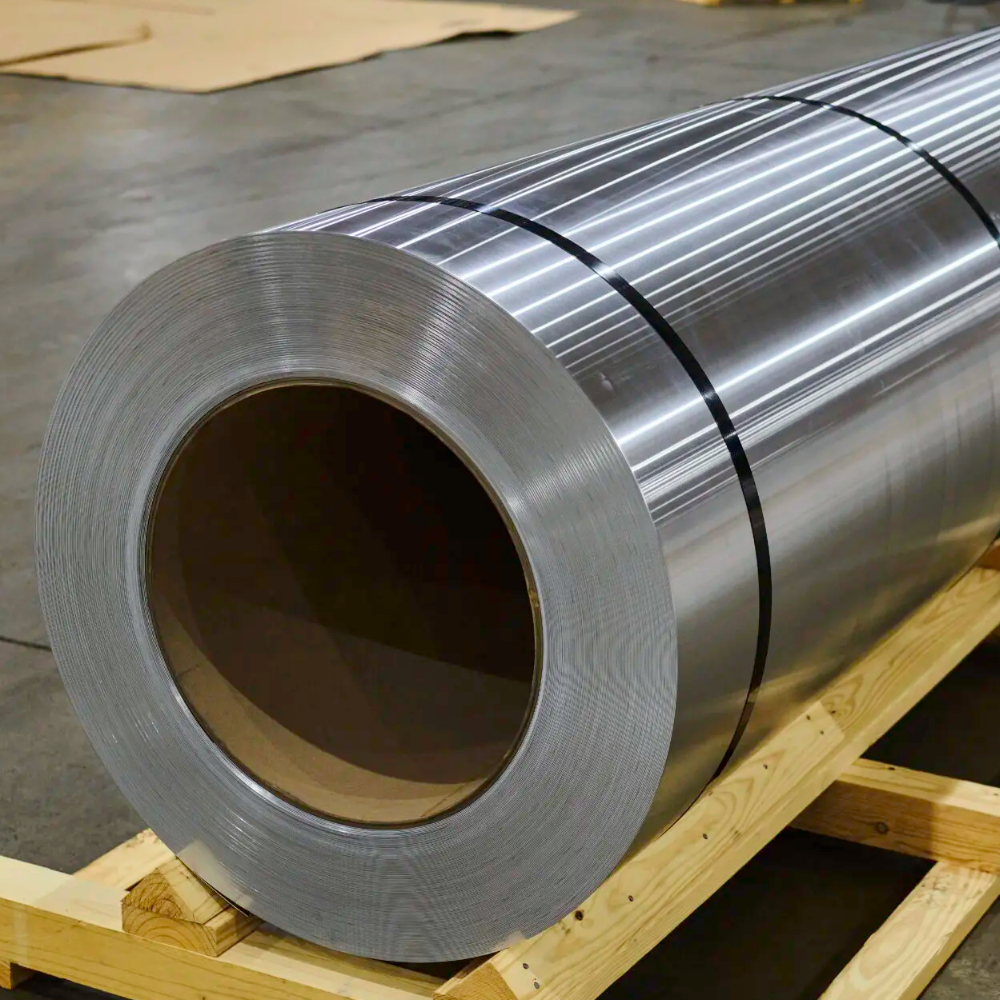
Aluminium sheets are flat pieces of metal that are produced through rolling processes. They are available in different thicknesses depending on the required application. Coils, on the other hand, are long strips of aluminium that are rolled into circular forms for easy storage, transport, and further processing. Both sheets and coils offer manufacturers flexibility in shaping, cutting, and forming the material according to their production requirements. Their smooth surface finish and structural strength make them reliable materials for both structural and decorative purposes.
One of the most important advantages of aluminium is its lightweight nature. Compared to many other metals, aluminium weighs significantly less while still providing impressive strength. This property is especially useful in industries where weight reduction is important, such as transportation and aerospace. Using lighter materials helps improve fuel efficiency and reduces operational costs. Aluminium Sheets And Coils allow manufacturers to maintain durability while keeping the final product lighter and easier to handle.
Another major benefit of aluminium is its resistance to corrosion. Aluminium naturally forms a protective oxide layer when exposed to air, which helps prevent rust and deterioration. Because of this property, aluminium products perform well even in challenging environmental conditions such as humidity, moisture, and outdoor exposure. This makes aluminium sheets and coils a reliable choice for roofing systems, wall cladding, storage tanks, and other exterior applications where long-term durability is required.
Flexibility and workability also make aluminium a preferred material in many industries. Aluminium sheets and coils can be easily cut, bent, stamped, or welded without losing their structural integrity. This makes them highly adaptable for customized manufacturing processes. Industries such as electrical equipment production, appliance manufacturing, and automotive parts fabrication depend heavily on aluminium because it can be shaped into complex designs while maintaining strength and stability.
In the construction sector, aluminium sheets are commonly used for roofing, partitions, wall panels, ceilings, and facades. Builders appreciate aluminium because it is easy to install and requires minimal maintenance over time. Its resistance to corrosion and weather conditions ensures that structures remain protected for many years. Aluminium coils are also widely used in building projects because they can be further processed into sheets, panels, and other structural components according to specific design requirements.
The automotive industry is another major user of aluminium products. Manufacturers use aluminium sheets and coils for producing body panels, structural components, heat exchangers, and interior parts. The lightweight nature of aluminium helps reduce vehicle weight, which contributes to improved fuel efficiency and reduced emissions. At the same time, aluminium maintains sufficient strength to ensure safety and performance in automotive design.
Electrical and electronics industries also rely on aluminium due to its excellent conductivity. Aluminium sheets are used in electrical panels, transformer components, and various electronic enclosures. The metal’s ability to conduct heat and electricity effectively makes it a practical material for electrical equipment manufacturing. Additionally, aluminium coils are often used in the production of cables, conductors, and other electrical applications where consistent material quality is required.
Another growing area of application is packaging. Aluminium sheets are often used for manufacturing containers, cans, and foil products. Aluminium provides a protective barrier against light, moisture, and air, which helps preserve the quality of packaged products. Food and beverage companies prefer aluminium packaging because it is safe, recyclable, and capable of maintaining product freshness for longer periods.
Sustainability is another reason why aluminium has gained widespread popularity. Aluminium is highly recyclable and can be reused multiple times without losing its quality. Recycling aluminium requires significantly less energy compared to producing new aluminium from raw materials. This helps reduce environmental impact and supports sustainable manufacturing practices. As industries increasingly focus on eco-friendly materials, aluminium continues to be a preferred choice for responsible production.
Manufacturers also appreciate the cost-effectiveness of aluminium products. Although aluminium offers strong performance characteristics, it remains relatively economical when compared with certain other metals used in industrial applications. The long lifespan, low maintenance requirements, and recyclability of aluminium further contribute to its overall value. Businesses can rely on aluminium products for consistent performance while keeping operational costs manageable.
Quality production processes are essential for ensuring the reliability of aluminium materials. Advanced rolling techniques, strict quality checks, and precise thickness control help manufacturers produce aluminium sheets and coils that meet industry standards. Consistency in material composition and surface finish ensures that the products perform effectively across various applications.
As industrial demands continue to grow, the importance of reliable metal materials becomes even more significant. Aluminium Sheets And Coils continue to support industries by offering a balance of strength, flexibility, corrosion resistance, and sustainability. Their wide range of applications demonstrates how versatile aluminium can be in modern manufacturing and infrastructure development.
In conclusion, aluminium sheets and coils are essential materials that support multiple sectors including construction, automotive, electrical, and packaging industries. Their lightweight nature, durability, and adaptability make them suitable for diverse industrial uses. With growing demand for efficient and sustainable materials, aluminium remains a dependable solution for manufacturers and builders worldwide.



Reviews
There are no reviews yet.