Aluminium Chequered Plates Manufacturer – Top Quality
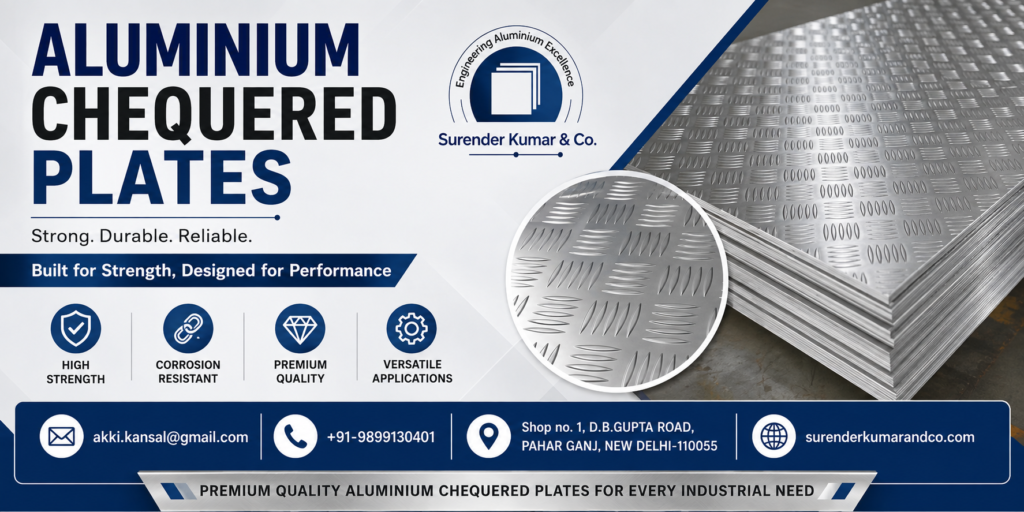
An aluminium chequered plate (also called a checker plate, tread plate, or diamond plate) is a flat aluminium sheet with a raised pattern rolled onto one side, usually diamonds or lines, to improve grip and reduce slipping. Manufacturers produce these plates in various alloys, thicknesses, and pattern styles for flooring, ramps, vehicle bodies, staircases, and industrial platforms. When sourcing from an aluminium chequered plates manufacturer, buyers should evaluate the alloy grade, base thickness, pattern depth, sheet size, and surface finish against their specific load and environment requirements. Surender Kumar & Co. is among the suppliers offering Aluminium Chequered Plates for such industrial and architectural applications.
Aluminium chequered plates are one of the most practical products in the metals industry. They combine the light weight and corrosion resistance of aluminium with a raised surface pattern that makes them useful anywhere slip resistance matters — from factory floors to truck beds. For engineers, contractors, and procurement teams, choosing the right plate isn’t just about picking “aluminium” off a catalogue; it involves understanding alloy composition, gauge thickness, pattern type, and how the plate will actually perform under load and foot traffic.
This guide walks through what aluminium chequered plates are, how they’re made, where they’re used, and what to check before placing a purchase order — whether you’re a fabricator building a custom enclosure or a contractor speccing flooring for a new facility.
What Is an Aluminium Chequered Plate?
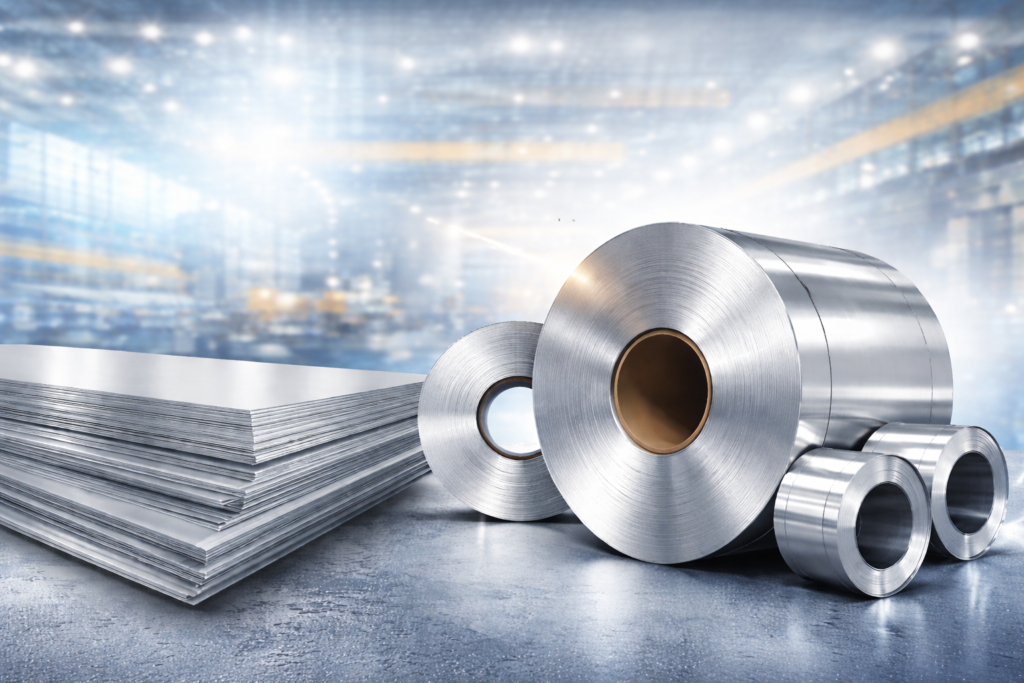
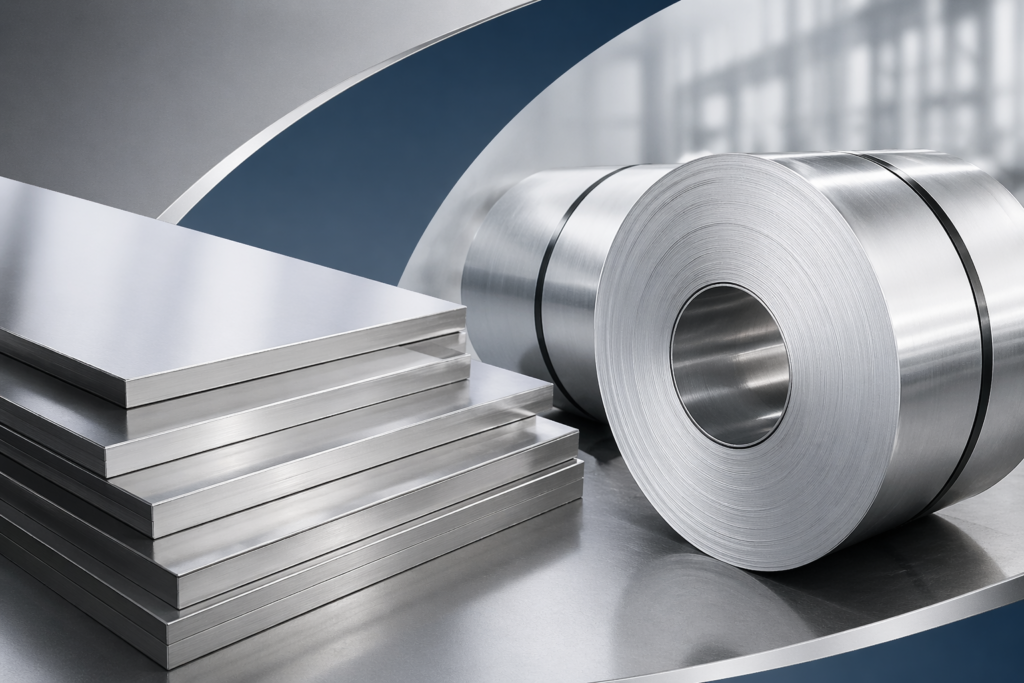
An aluminium chequered plate starts as a flat aluminium sheet or coil that is passed through rollers embossed with a raised pattern — typically a diamond, lens, or five-bar (rib) design. The pattern is rolled into the metal during production, not stamped or added afterward, which keeps the surface durable under repeated foot and wheel traffic.
The underside of the plate remains flat, so it sits evenly on a frame, floor joist, or vehicle chassis, while the top face provides the textured, anti-slip surface.
Common Alloys Used
Chequered plates are generally produced from aluminium alloys in the 1000, 3000, and 5000 series, each suited to different needs:
| Alloy Series | General Characteristics | Typical Use Case |
| 1000 series | High purity aluminium, good corrosion resistance, softer | Decorative panels, light-duty flooring |
| 3000 series | Manganese alloy, moderate strength, workable | General fabrication, cladding |
| 5000 series | Magnesium alloy, higher strength, good weldability | Structural flooring, transport, marine applications |
The exact alloy grade a manufacturer offers depends on their rolling capability and the raw material sourced, so it’s worth confirming the alloy designation directly with the supplier for your specific application.
Thickness and Pattern Considerations
Two factors most affect how a chequered plate performs: base metal thickness and pattern depth.
Base thickness determines load-bearing capacity and rigidity. Thinner plates work well for wall cladding or decorative panels, while thicker plates are chosen for flooring, ramps, and platforms that carry foot or vehicle traffic.
Pattern depth and style affect grip. A deeper, more pronounced diamond pattern generally offers better slip resistance in wet or oily environments, while a finer pattern may be preferred where appearance matters as much as function.
Buyers should specify both dimensions clearly when requesting quotes, since “aluminium chequered plate” alone doesn’t define performance — the gauge and pattern do.
Where Aluminium Chequered Plates Are Used
Because aluminium chequered plates combine light weight with corrosion resistance and a non-slip surface, they show up across several industries:
Transport and automotive — truck bed liners, trailer flooring, bus and railway car flooring, and toolbox exteriors, where weight savings directly affect fuel efficiency and payload.
Industrial and architectural flooring — walkways, stair treads, catwalks, ramps, and mezzanine flooring in factories, warehouses, and commercial buildings.
Marine applications — deck plating and boarding ramps, where aluminium’s natural resistance to saltwater corrosion is an advantage over uncoated steel.
General fabrication — enclosures, toolboxes, workbenches, and equipment guards where a textured, wear-resistant surface is useful.
Why Aluminium Over Steel Chequered Plate?
Both aluminium and steel chequered plates serve similar purposes, but the choice often comes down to weight, corrosion exposure, and cost.
Aluminium is significantly lighter than steel of equivalent thickness, which matters in transport applications where reducing dead weight improves efficiency. It also naturally resists corrosion without additional coating, which is useful in humid, coastal, or chemically exposed environments. Steel, by contrast, generally offers higher raw strength per unit thickness and may be preferred for very heavy structural loads, provided it’s properly coated or galvanized.
For many flooring, cladding, and transport applications, aluminium’s strength-to-weight ratio and low maintenance needs make it the more practical choice — but the right material always depends on the specific load, budget, and environmental conditions of the project.
Selecting the Right Manufacturer: What to Check
When evaluating an aluminium chequered plates manufacturer, procurement teams and engineers typically look at a few practical factors:
Alloy and thickness range — Confirm the manufacturer can supply the specific alloy grade and gauge your project requires, rather than assuming a generic match.
Sheet size and customization — Standard sheet sizes vary by manufacturer; check whether custom cutting or sizing is available for your application.
Surface finish and pattern consistency — Ask for sample images or physical samples to assess pattern depth and finish quality before committing to a bulk order.
Documentation — Request material test certificates or specification sheets relevant to your order, especially for structural or regulated applications, and verify these directly with the supplier rather than assuming standard certifications apply.
Lead time and order quantities — Confirm minimum order quantities and realistic lead times for your project timeline, since these vary by manufacturer and current production load.
Surender Kumar & Co. supplies aluminium chequered plates alongside other aluminium sheet and plate products, and can be contacted directly to discuss alloy availability, thickness options, and order specifications for a given project.
Maintenance and Handling Tips
Aluminium chequered plates are relatively low-maintenance, but a few practices extend their service life:
Store sheets flat and off the ground to avoid warping or moisture pooling between stacked plates. Clean the surface periodically to prevent debris from accumulating in the pattern grooves, which can reduce slip resistance over time. When cutting or drilling on-site, use tools and speeds appropriate for aluminium to avoid excessive heat buildup that can affect the material’s surface finish.
FAQs
Q1: What is the difference between an aluminium chequered plate and aluminium diamond plate?
They refer to the same product. “Chequered plate,” “tread plate,” and “diamond plate” are regional and industry terms for aluminium sheet with a raised, embossed pattern for grip.
Q2: What thickness of aluminium chequered plate is used for flooring?
Thickness needed depends on the load and span; heavier foot or vehicle traffic generally requires thicker gauge material. It’s best to confirm the appropriate thickness with the manufacturer based on your specific load requirements.
Q3: Is aluminium chequered plate slip-resistant when wet?
The raised pattern improves grip compared to a flat sheet, but slip resistance also depends on pattern depth, cleanliness, and the specific environment. For high-risk wet areas, discuss pattern options with your supplier.
Q4: Can aluminium chequered plates be welded?
Many aluminium alloys used in chequered plates can be welded, though the appropriate welding method depends on the specific alloy. Confirm alloy grade with the manufacturer before planning fabrication work.
Q5: How is aluminium chequered plate different from steel chequered plate?
Aluminium is lighter and naturally corrosion-resistant, while steel typically offers higher raw strength and may need coating to resist rust. The right choice depends on load requirements and environmental exposure.
Q6: Can I get custom sheet sizes from a manufacturer?
Many manufacturers offer size customization, but availability varies. It’s best to check directly with the supplier about custom cutting options for your project.
Q7: What industries commonly use aluminium chequered plates?
Transport, marine, industrial flooring, architecture, and general fabrication are among the most common industries using this product.
Q8: Do aluminium chequered plates need a protective coating?
Aluminium naturally forms a protective oxide layer, so coating is often unnecessary for general use. However, specific environments or aesthetic requirements may call for additional finishing — this is worth discussing with your supplier.
Conclusion
Aluminium chequered plates are a practical, versatile material used wherever light weight, corrosion resistance, and slip resistance matter together. Choosing the right plate comes down to matching alloy grade, thickness, and pattern to the actual demands of your project, and working with a manufacturer who can clearly answer questions about specifications and availability.
Visit site :- https://surenderkumarandco.com/
Call: +91-9899130401
Email: akki.kansal@gmail.com
Address: 9012-9014, Shop no. 1, D.B.GUPTA ROAD, PAHAR GANJ, NEW DELHI-110055