
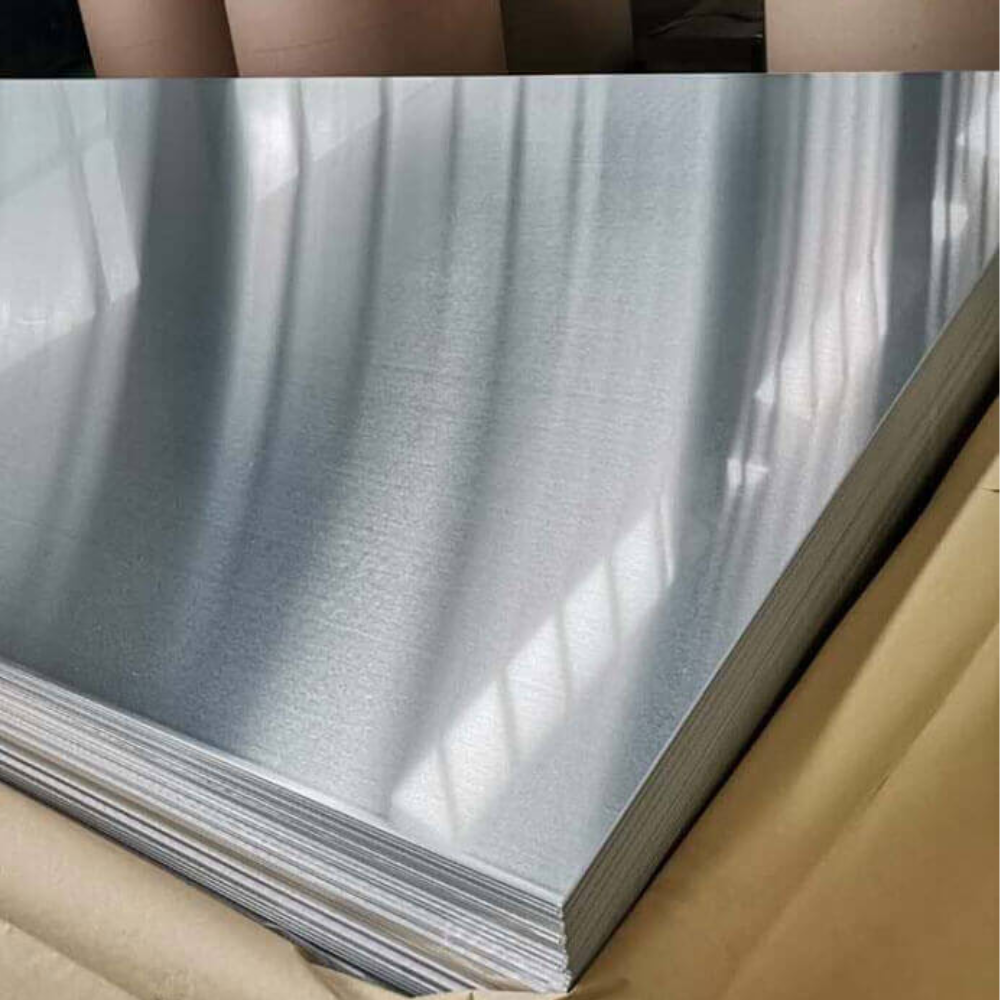
Aluminium Metal Sheet Supplier You Can Build On
Every strong structure starts with the right material. For over four decades, Surender Kumar & Co. has supplied aluminium sheets, coils, and plates to businesses across Delhi NCR that simply cannot afford to compromise on quality.
We are not a middleman shuffling paperwork. We are a hands-on aluminium metal sheet supplier based in Pahar Ganj, New Delhi, and we understand what fabricators, contractors, and manufacturers actually need: consistent thickness, dependable finish, and a delivery date that doesn’t slip.
If you are searching for an aluminium sheet supplier near me, a bulk coil distributor, or a partner for chequered plates that won’t let you down on-site, you are in the right place.
What is Surender Kumar & Co.?
Surender Kumar & Co. is a Delhi-based supplier and trader of aluminium coils, sheets, chequered plates, checkered sheets, and rectangular plates, serving construction, automotive, aerospace, packaging, and industrial fabrication industries for more than 40 years. We source from established mills, verify specification before dispatch, and deliver across Delhi NCR with transparent pricing and no hidden costs.
Our Complete Aluminium Product Range
We supply a full catalogue from a single, accountable source — so you never need to juggle multiple vendors to cover one project.
Aluminium Coil
Widely used in manufacturing, fabrication, and construction because they’re easy to process and perform well across environments.
- Aluminium Hot Rolled Coil
- Aluminium Sheet Coil
- Aluminium Sheets and Coils
- Cold Rolled Aluminium Coil
- Hindalco Aluminium Sheets
- Insulated Aluminium Coil
- Polished Aluminium Coil
Aluminium Sheet
Serves automotive, interior design, signage, and industrial fabrication, available in multiple sizes and thicknesses.
- Aluminium Metal Sheet — our core, most-requested product for general fabrication and construction
- Aluminium Fan Blade Sheet
- Aluminium Sheet Supplier (Bulk Program)
- Polished Aluminium Sheet
Aluminium Chequered Sheet & Chequered Plate
Anti-slip, patterned surfaces used in flooring, walkways, staircases, and transport vehicle bodies.
- Aluminium Chequered Sheet
- Aluminium Chequered Sheet for Fire Brigade Manufacturing
- Aluminium Chequered for Bus Body Manufacturing
Aluminium Plate
Built for strength and structural reliability in heavy-duty applications and machinery parts.
- Aluminium Cold Rolled Plate Supplier
- Aluminium Hot Rolled Plate Supplier
- Aluminium Rectangular Plate
How to Choose the Right Aluminium Product
| Your Need | Recommended Product |
|---|---|
| General fabrication or construction | Aluminium Metal Sheet |
| Anti-slip flooring or vehicle bodies | Chequered Sheet / Chequered Plate |
| Bulk processing or downstream cutting | Aluminium Coil (Hot/Cold Rolled) |
| Heavy-duty structural or machinery parts | Aluminium Rectangular Plate |
| Certified branded material required | Hindalco Aluminium Sheets |
| Decorative or visible-surface application | Polished Aluminium Sheet/Coil |
Not sure which product fits your project? Share your application and our team will recommend the right specification.
Why Aluminium Is the Material of Choice
Aluminium is preferred across industries for reasons that go beyond price:
- Lightweight — reduces structural and transport load without sacrificing strength
- Corrosion-resistant — performs reliably outdoors and in high-moisture environments
- Easy to fabricate — cuts, bends, and forms without excessive tooling wear
- Durable finish — smooth surface suited to functional and visible applications
- Recyclable — supports sustainable packaging and construction goals
About Surender Kumar & Co.
Long before “supply chain reliability” became a buzzword, Surender Kumar & Co. was already living it — delivering aluminium sheets, coils, and plates to Delhi’s builders, fabricators, and manufacturers, one order at a time.
We started with a simple goal: supply aluminium that performs exactly as promised, every single time. Forty-plus years later, that goal hasn’t changed, even as the industries we serve have grown more demanding.
Our Mission
We supply dependable aluminium products that meet the practical needs of industries and businesses. Consistent quality, timely delivery, and fair pricing aren’t marketing lines for us — they’re the operating standard on every transaction.
Our Vision
We want to become a name recognized across India’s aluminium trading sector for one reason: dependability. As demand shifts and industries evolve, we intend to grow our reach without diluting the reliability that got us here.
Our Core Values
- Quality Commitment — every coil, sheet, and plate checked against standard specifications before it reaches you
- Customer-Centric Approach — we listen before we quote, so we recommend the right material the first time
- Integrity & Transparency — clear pricing and timelines, no surprises at delivery
- Timely Delivery — logistics built around your deadline, not ours
- Continuous Improvement — we keep refining sourcing, storage, and delivery standards
Why Choose Surender Kumar & Co.
Choosing an aluminium supplier is really about choosing a partner you don’t have to double-check. Here’s what that looks like in practice:
1. Four Decades of Metal Trading Experience
We have watched the aluminium trading industry change for more than 40 years — and adapted with it. That kind of tenure isn’t built on luck; it’s built on customers who keep coming back.
2. Consistent Quality, Every Batch
An aluminium sheet is only as good as its next delivery. We check specification, finish, and thickness on every consignment before it leaves our hands.
3. Transparent, Fair Pricing
No hidden markups. No last-minute renegotiation. We quote honestly and hold to it.
4. On-Time Delivery Across Delhi NCR
Project timelines don’t wait, and neither do we. Our logistics are built around meeting your deadline.
5. Real After-Sales Support
Questions after delivery? Need a follow-up order matched to a previous batch? Our team stays reachable — we don’t disappear after the invoice is paid.
How We Stand Out
| Pillar | What It Means for You |
|---|---|
| Quality | Superior-grade metal products with strength, accuracy, and long-lasting performance |
| Reliability | Timely delivery and consistent product standards you can plan a project around |
| Precision | Accurate specifications and attention to detail for a perfect fit every time |
| Trust | Long-term client relationships built on honesty and consistency, not one-time sales |
Our Simple Ordering Process
- Tell us your requirement — grade, thickness, size, and quantity
- Receive a transparent quote — no hidden costs, clear delivery timeline
- Confirm and place your order — bulk or trial quantities welcome
- Get doorstep delivery — across Delhi NCR and beyond
- Reorder with confidence — we retain your specifications for faster future orders
Industries We Serve
Aluminium’s strength-to-weight ratio and corrosion resistance make it the material of choice across sectors.
Construction and Building Industry
The construction and building industry depends on materials that offer strength, durability, and long-term performance. We supply Aluminium Coil, Aluminium Sheet, Checkered Sheet, Chequered Plate, and Rectangular Plate for roofing, cladding, structural support, and flooring solutions across commercial and industrial projects.
Automotive and Transportation Industry
Aluminium helps reduce vehicle weight, improving fuel efficiency and supporting modern design requirements. We supply sheets, plates, checkered sheets, and chequered plates used in vehicle bodies, structural components, panels, and interior parts.
Aerospace and Defense Industry
Aluminium’s excellent strength-to-weight ratio and corrosion resistance make it essential for aircraft structures, fuselage panels, wings, frames, and internal components where weight and safety both matter.
Packaging Industry
Aluminium coils and sheets are used in food containers, beverage cans, bottle caps, lids, and foil-based packaging, protecting contents from moisture, air, and light while keeping transport lightweight and recyclable.
Interior Design & Signage
Polished aluminium sheets and coils provide a clean, corrosion-resistant finish suited to decorative panels, false ceilings, and signboards.
Fabrication & Engineering
Our coils and rectangular plates are easy to machine and deliver consistent performance across custom fabrication and engineering projects.
| Industry | Common Products Used |
|---|---|
| Construction & Building | Sheets, chequered plates, coils |
| Automotive & Transportation | Sheets, plates, checkered sheets |
| Aerospace & Defense | Sheets, plates, coils |
| Packaging | Coils, sheets |
| Interior Design & Signage | Polished sheets, plates |
| Fabrication & Engineering | Coils, rectangular plates |
Talk to Our Team About Your Industry Requirement →
Our Quality Assurance Process
- Sourcing — material procured from established, quality-verified suppliers
- Inspection — thickness, finish, and surface condition checked before dispatch
- Packaging — sheets and coils packed to prevent transit damage or surface scratching
- Delivery — dispatched on a confirmed timeline across Delhi NCR and beyond
- Support — post-delivery assistance for reorders and specification matching
What Our Clients Say
“We have been sourcing aluminium materials from Surender Kumar & Co. for our projects, and the quality has always been excellent. Their products are durable and delivered on time. The team is professional and reliable, making them a trusted partner for our business.” — Sunil Kumar
“Surender Kumar & Co. provides high-quality metal products with great consistency. We appreciate their competitive pricing, prompt service, and commitment to customer satisfaction. Highly recommended for anyone looking for dependable metal suppliers.” — Raman Sharma
Frequently Asked Questions
What products does Surender Kumar & Co. offer?
We supply aluminium coils, aluminium metal sheets, chequered plates, checkered sheets, and rectangular plates, along with branded options like Hindalco aluminium sheets, for industrial and commercial buyers.
Are you a manufacturer or a supplier?
We operate as an aluminium supplier and trader, sourcing material from established mills and distributing it with quality checks, consistent stock availability, and reliable delivery.
What is an aluminium metal sheet used for?
Aluminium metal sheets are used in construction cladding, automotive body panels, signage, interior design, and general industrial fabrication due to their light weight, corrosion resistance, and workability.
Do you supply in bulk quantities?
Yes. We regularly serve fabricators, contractors, and manufacturers who need bulk aluminium sheet and coil orders, along with smaller trial quantities for new buyers.
Which areas do you deliver to?
We are based in Pahar Ganj, New Delhi, and deliver across Delhi NCR, with supply arrangements extending to clients across India.
How do I request a quote for an aluminium sheet order?
Call us at +91-9899130401 or use our contact form. Share your required thickness, size, grade, and quantity, and our team will respond with pricing and availability.
Do you provide Hindalco aluminium sheets?
Yes, we supply Hindalco aluminium sheets for buyers who specifically require this branded material for certified projects.
What are chequered plates and where are they used?
Chequered plates and checkered sheets have a raised, patterned surface designed for anti-slip flooring, walkways, staircases, and transport vehicle bodies such as buses and fire brigade vehicles.
Why is aluminium preferred over steel in many applications?
Aluminium is significantly lighter than steel, resists corrosion without additional coating in most environments, and is easier to cut, form, and fabricate — making it preferred where weight and workability matter.
Can you provide customized aluminium solutions?
Yes. We work with clients to match thickness, size, and finish to their specific project requirements rather than offering only standard catalogue sizes.
How do you ensure the quality of your aluminium products?
Every batch is checked for specification, thickness, and finish before dispatch, and we work only with established, quality-verified sources.
Why should I choose Surender Kumar & Co.?
Four-plus decades of experience, consistent quality control, transparent pricing, on-time delivery across Delhi NCR, and responsive after-sales support make us a dependable long-term aluminium supply partner.
Get in Touch with Surender Kumar & Co.
Stop worrying about inconsistent batches and missed delivery dates. Surender Kumar & Co. has supplied Delhi’s builders, fabricators, and manufacturers for over 40 years — and we’re ready for your order next.
- Phone: +91-9899130401
- Email: akki.kansal@gmail.com
- Address: 9012-9014, Shop No. 1, D.B. Gupta Road, Pahar Ganj, New Delhi-110055



Reviews
There are no reviews yet.