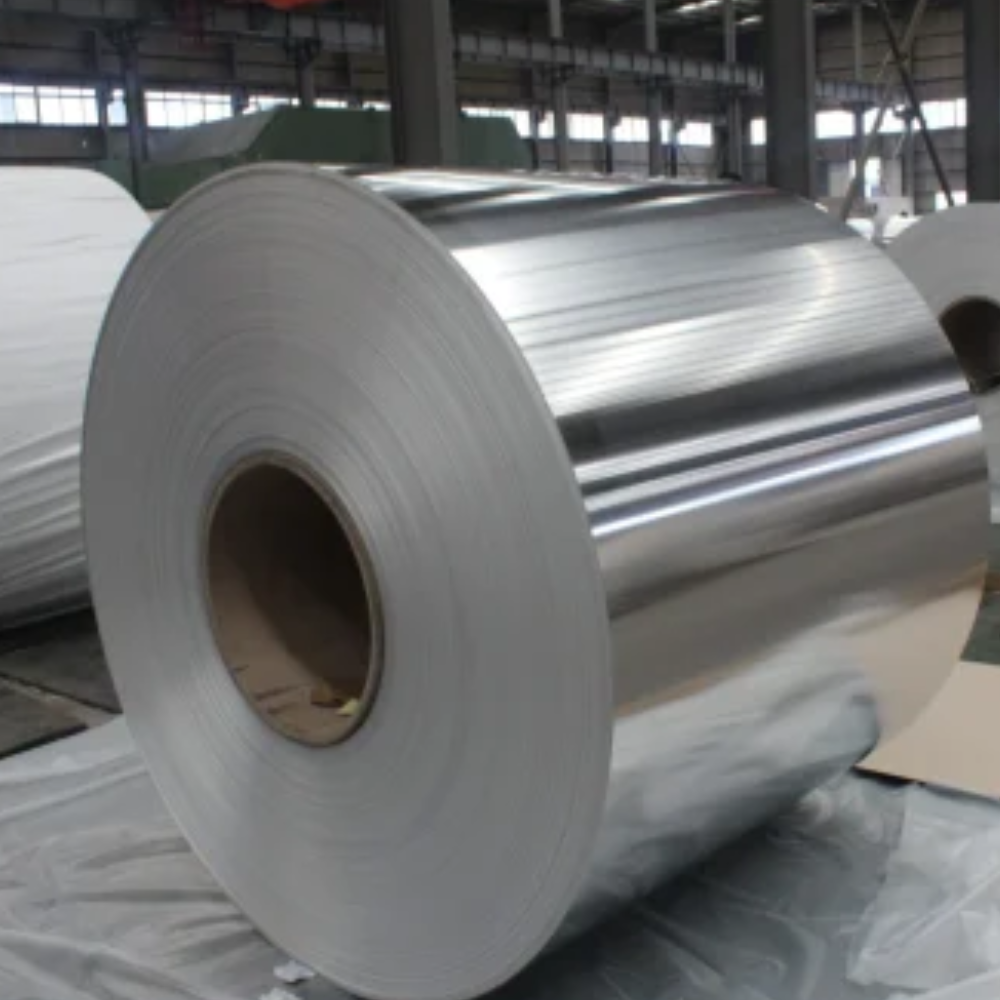
Insulated Aluminium Coil
An insulated aluminium coil is widely used in modern industries where both thermal efficiency and material durability are required. Aluminium itself is known for being lightweight, corrosion resistant, and easy to form into different shapes. When combined with insulation, it becomes even more useful for applications that involve temperature control, protection from environmental conditions, and improved energy efficiency. Because of these qualities, insulated aluminium coils are commonly used in sectors such as HVAC systems, construction, refrigeration, transportation, and industrial equipment manufacturing.
The base material used in these coils is aluminium sheet that is rolled into coil form. Aluminium is chosen because of its excellent conductivity, long service life, and resistance to rust. The insulation layer is added to improve performance by reducing heat transfer and protecting the metal from moisture and external damage. The insulation may consist of materials such as polyethylene foam, fiberglass, mineral wool, or other thermal insulating compounds depending on the application and operating environment.
One of the key advantages of an Insulated Aluminium Coil is its ability to help maintain temperature stability. In many industries, pipelines, ducts, and machinery require protection from heat loss or heat gain. By using insulated aluminium coils, companies can significantly reduce energy loss and maintain operational efficiency. This makes them particularly valuable in air conditioning ducts, refrigeration units, and heating systems where maintaining a consistent temperature is essential.
Another important benefit is corrosion resistance. Aluminium naturally forms a protective oxide layer that prevents rust and degradation. When insulation is added, it further protects the metal from moisture, chemicals, and environmental exposure. This dual protection helps extend the lifespan of equipment and reduces the need for frequent maintenance or replacement. For industries operating in coastal regions or areas with high humidity, insulated aluminium coils provide reliable long-term performance.
In the construction industry, insulated aluminium coils are frequently used for cladding, roofing systems, and insulation coverings. They provide both protective and structural advantages. The aluminium surface offers a clean and professional appearance, while the insulation helps regulate indoor temperatures and improve building energy efficiency. With increasing focus on sustainable construction practices, materials that support energy conservation are becoming more valuable, and insulated aluminium coils fit well within this requirement.
HVAC systems are another major area where insulated aluminium coils play a crucial role. Air ducts and ventilation systems require materials that can handle temperature variations while preventing condensation. Aluminium coils with insulation help prevent condensation buildup, which can otherwise lead to moisture damage or mold formation. This improves the durability of the system and helps maintain clean airflow in residential, commercial, and industrial spaces.
The transportation industry also benefits from insulated aluminium materials. Refrigerated vehicles, cold storage containers, and food transportation units require reliable insulation to maintain controlled temperatures. Aluminium coils combined with insulation help create lightweight yet durable structures that can maintain temperature stability during transport. This is particularly important for industries dealing with perishable goods, pharmaceuticals, and temperature-sensitive products.
Manufacturing processes also use aluminium coils because of their flexibility and ease of fabrication. Aluminium can be cut, shaped, and formed without losing its strength. This allows manufacturers to create customized insulation coverings for different machines and structures. The adaptability of aluminium makes it suitable for both large industrial installations and smaller commercial applications. As a result, many industries prefer using Insulated Aluminium Coil materials for their balance of strength, performance, and cost efficiency.
In addition to performance benefits, aluminium coils are also environmentally responsible materials. Aluminium is highly recyclable and can be reused without losing its properties. This makes it a sustainable option for industries looking to reduce waste and environmental impact. When insulated aluminium coils are recycled, the metal can be melted and reused in new products, helping conserve natural resources and energy.
Another reason for the growing demand for insulated aluminium coils is their low maintenance requirement. Unlike some materials that require constant inspection and protection against rust or damage, aluminium naturally resists corrosion and maintains its structural integrity over time. The insulation layer further shields the surface from environmental exposure, reducing the need for frequent repairs or replacements. This reliability makes insulated aluminium coils a practical choice for long-term industrial use.
Modern production techniques allow manufacturers to produce aluminium coils in various thicknesses, widths, and insulation types to suit different industrial needs. Whether used for pipe insulation, duct systems, refrigeration equipment, or building materials, insulated aluminium coils can be tailored to match specific requirements. The flexibility in manufacturing also ensures consistent quality and reliable performance across different applications.
Overall, insulated aluminium coils have become an important material in many sectors due to their combination of strength, insulation capability, and durability. They help improve energy efficiency, protect equipment from environmental damage, and provide reliable performance across a wide range of industrial applications. As industries continue to focus on efficiency and sustainability, materials like the Insulated Aluminium Coil will remain an essential part of modern engineering and construction solutions.



Reviews
There are no reviews yet.